
Literature of Power
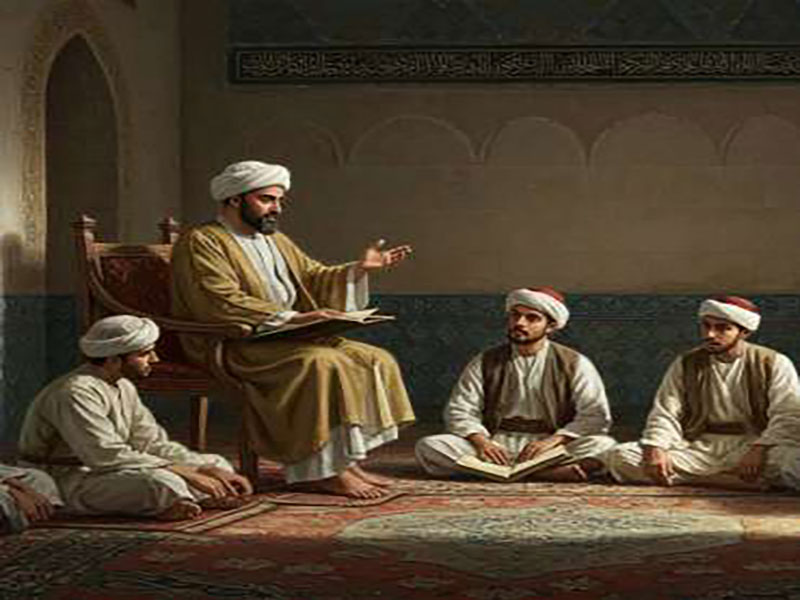
We still recite with admiration Al-Mutanabbi’s poems praising Kafur al-Ikhshidi, yet we question the poet’s sincerity: was it devotion or ambition for power? Later, Al-Mutanabbi harshly satirized Kafur, leaving us uncertain—was he great or vile? Can we ever truly know the intentions of court poets?\nAs for Sayf al-Dawla al-Hamdani, would history remember him without Al-Mutanabbi’s verses? Many poets praised rulers, yet only the poetry of true creators endured.\nThe Medici ruler Lorenzo lives on largely through Michelangelo’s art. Beethoven dedicated his Third Symphony to Napoleon, then erased his name when he crowned himself emperor. The ruler faded; the art remained.\nWho remembers Mumtaz? Yet the Taj Mahal endures.\nLiterature of power has two faces: one producing eternal masterpieces despite selfish motives, and another that generates vast mediocrity through talentless flattery amplified by media.\nNapoleon once said that a decree can make a noble, but no decree can create a true artist. A satirical Soviet poem under Stalin illustrates how such climates breed hollow literature.\nAuthor: Mu’tasim Dalati
Leave a Reply
Your email address will not be published. Required fields are marked *
Search
Category